
Humanoids: Bridging the Gap Between Humans and Machines
Techolas Blogs
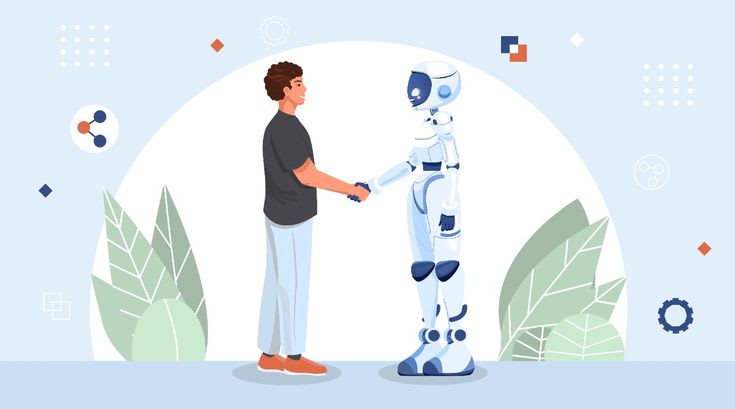
Humanoids are robots designed to look and behave like humans. They may have a head, arms, legs, and sometimes even facial expressions. More than just machines, they are built to interact, assist, and sometimes even think in ways similar to people. The primary idea behind humanoids is simple: to create robots that can smoothly blend into human environments. Instead of redesigning tools, homes, or workplaces for robots, humanoids adapt to spaces already made for humans.
Applications of Humanoids
Humanoids aren’t just experimental anymore—they are already working among us.
Education: Assisting teachers and engaging students.
Healthcare: Supporting elderly care and rehabilitation
Space Exploration: NASA’s Robonaut helps astronauts in challenging environments
Customer Service: Greeting customers, answering queries, and providing information. The Future of Humanoids
As artificial intelligence and robotics continue to evolve, humanoids will become more affordable, capable, and human-like. In the future, we may see humanoids working in offices, teaching kids, helping at home, or even exploring new planets.
Humanoids represent a fascinating step toward a world where humans and robots live and work side by side—not as rivals, but as partners
Humanoids aren’t here to replace us. They are here to support us, push human potential further, and take us into a future where technology feels less like a tool—and more like a friend.
Connect with Us
Follow Us
Subscribe us to join our community

%202-Bd5nFBbF.png)
© Techolas Kochi. All rights reserved. Developed by Techolas.