
Human-Robot Interaction (HRI)
Techolas Blogs
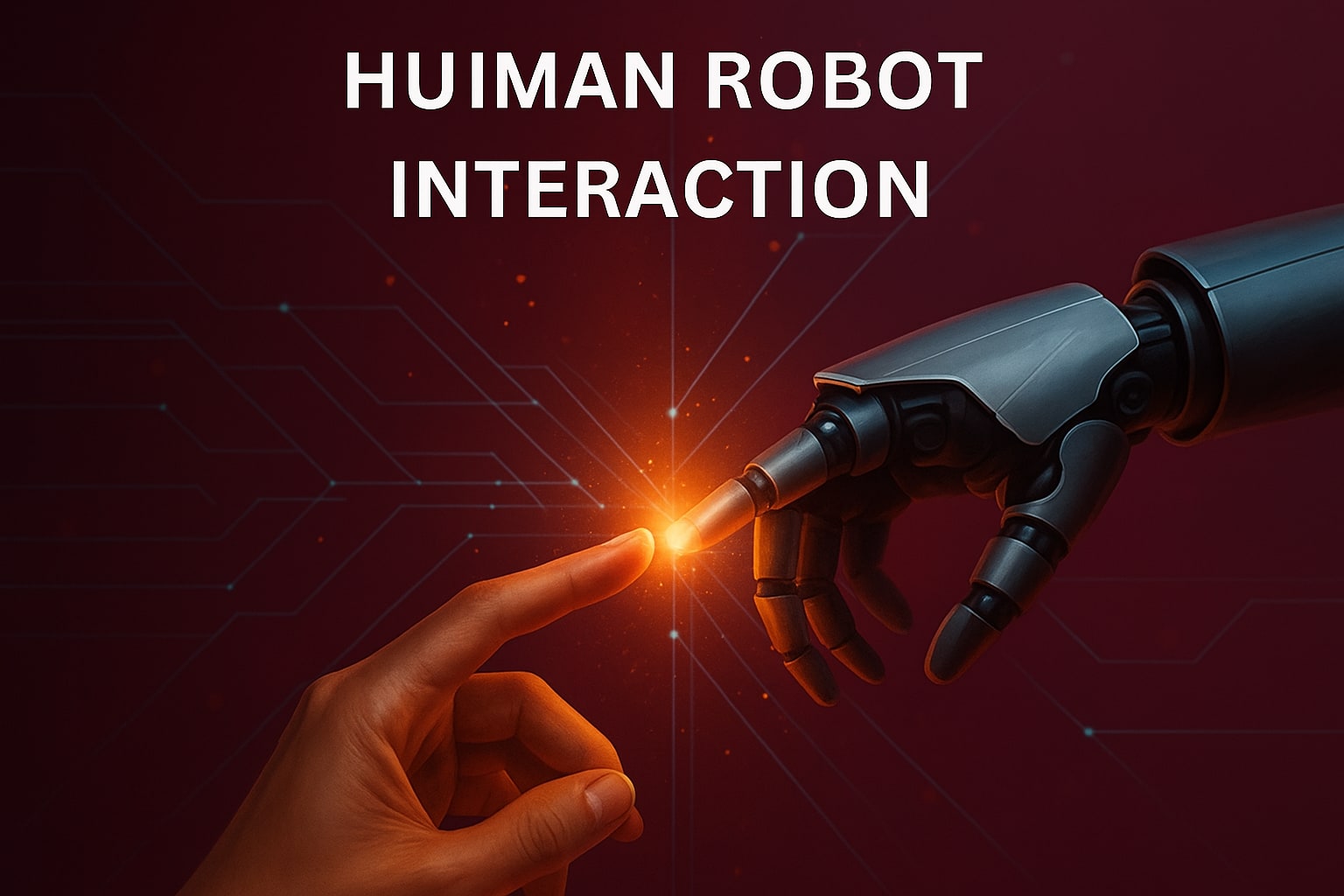
Human-Robot Interaction (HRI) is an interdisciplinary field of study that focuses on the communication, collaboration, and interaction between humans and robots. It combines principles from robotics, artificial intelligence, psychology, human-computer interaction, and cognitive science to design systems that allow robots to work effectively alongside humans.
Importance of HRI
HRI plays a crucial role in enabling robots to be more intuitive, user-friendly, and socially acceptable. By understanding human behavior and designing robots that can adapt to it, HRI enhances the effectiveness and safety of human-robot collaborations in various domains such as healthcare, education, manufacturing, and service industries.
Key Components of HRI
Perception : Robots must be able to sense and interpret human actions, gestures, and speech.
Decision-Making : Robots must understand human intentions and respond appropriately.
Communication : Effective interaction requires natural language processing, gestures, and visual cues.
Learning and Adaptation : Robots should adapt to user preferences and changing environments over time.
Applications of HRI
Healthcare : Assistive robots help elderly and disabled individuals with daily activities.
Education : Robots are used as teaching assistants to engage students.
Manufacturing : Collaborative robots (cobots) work alongside human workers to improve efficiency.
Service Industry : Robots interact with customers in hotels, airports, and retail stores.
Future Trends in HRI
The future of HRI will focus on creating emotionally intelligent robots, improving natural language understanding, and enabling seamless collaboration. Ethical considerations, such as privacy, safety, and trust, will also play a vital role in shaping the design and deployment of human-robot systems.
Human-Robot Interaction is a rapidly growing field that aims to make robots more effective partners for humans. As technology advances, HRI will become increasingly important in our daily lives, transforming industries and improving the quality of human life.
Connect with Us
Follow Us
Subscribe us to join our community

%202-Bd5nFBbF.png)
© Techolas Kochi. All rights reserved. Developed by Techolas.